
Introduction to Wound Care
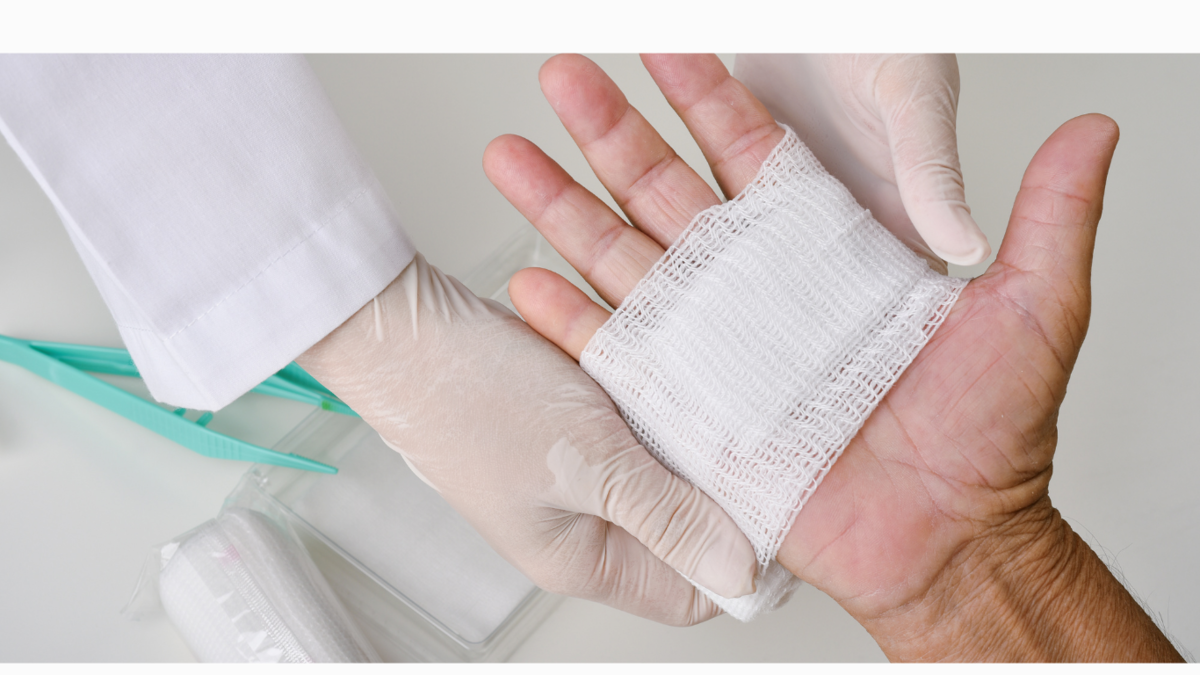
Course Overview
This two-day Introduction to Wound Care course is designed for healthcare professionals working in Primary Care who are new to wound management or developing their skills in this area.
Delivered virtually via Zoom, the programme provides a comprehensive foundation in wound assessment, wound healing physiology, infection recognition, dressing selection, and the management of common wound types encountered in community and general practice settings.
The course supports clinicians in developing safe, structured approaches to wound review, documentation, and ongoing management. Teaching reflects current evidence, national guidance, and best practice principles used within Primary Care and community wound services.
Interactive case discussion and practical examples ensure participants can apply learning directly to clinical practice.
Who Should Attend
This course is suitable for:
- Practice Nurses
- Community Nurses
- Nurse Associates
- Healthcare Assistants involved in wound care
- Primary Care clinicians new to wound management
No prior advanced wound care training is required.
What This Course Covers
Day One – Foundations of Wound Care
- Anatomy and physiology of skin and tissue repair
- Phases of wound healing
- Acute versus chronic wounds
- Holistic wound assessment:
- Patient factors
- Comorbidities
- Pain assessment
- Identifying wound infection and appropriate management
- Overview of topical treatments:
- Emollients
- Barrier preparations
- Topical steroids (appropriate use)
- Wound closure methods:
- Sutures
- Steri-strips
- Clips
- Introduction to commonly used dressings:
- Absorbent dressings
- Antimicrobial dressings
- Moisture-balancing products
- Documentation and structured wound review
Day Two – Leg Ulcers and Advanced Principles
- Review of core wound healing concepts
- Understanding local wound care formularies and pathways
- Differentiating venous and arterial leg ulcers
- Recognising red flags requiring referral
- Exudate assessment and management strategies
- Principles of compression therapy:
- Indications
- Contraindications
- Basic theory (non-Doppler course)
- Case-based discussion:
- Chronic wounds
- Delayed healing
- Complex patients
- Competency development and safe scope of practice
Learning Outcomes
By the end of this course, participants will be able to:
- Describe the physiology of wound healing
- Conduct a structured wound assessment
- Recognise signs of wound infection
- Select appropriate dressings based on wound characteristics
- Differentiate between venous and arterial leg ulcers
- Understand the principles underpinning compression therapy
- Recognise when escalation or referral is required
- Document and review wounds safely within Primary Care
Course Format
Duration: Two full days
Delivery: Virtual (Zoom)
Format includes:
- Structured teaching
- Case-based discussion
- Practical product examples
- Interactive learning
- Action planning for practice
Certification
Certificate of attendance provided for CPD and revalidation purposes.
Trainers
Shannon Whiting
Contact us
- Jackie Gamble
- in••••o@bbo••••g.co.uk
- 07944639224
Location
Classifications
Categories
- Dermatology & Wound Care
Levels
- Introduction